Serving Paso Robles, CA and surrounding areas. (805) 257-0239
Clay soils, hot summers, and seismic risk make foundation work in Paso Robles different from anywhere else. We design every slab for your specific lot, handle every permit, and schedule every inspection - so your home starts on solid ground.
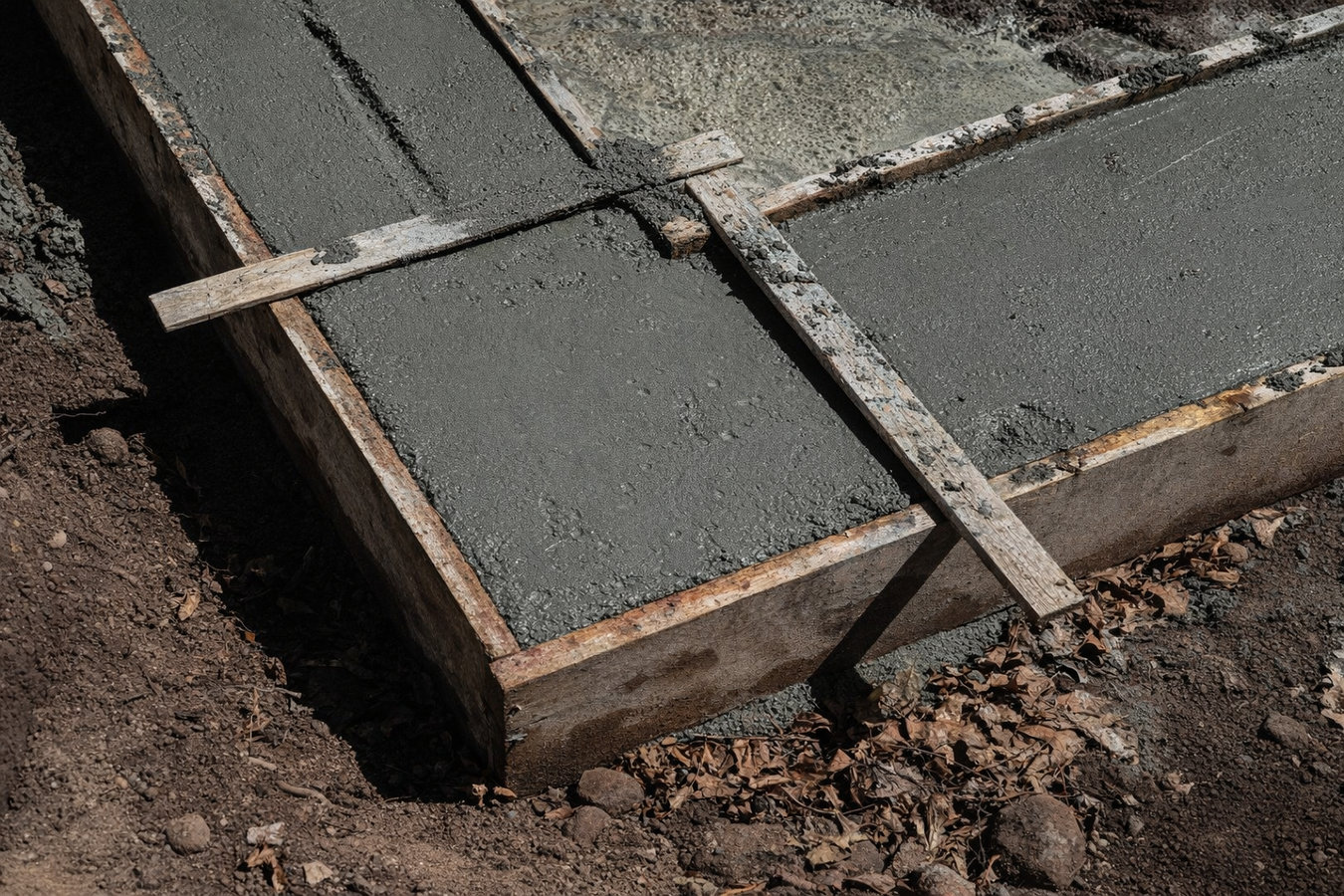
Slab foundation building in Paso Robles means pouring a single reinforced concrete pad that serves as both the floor and structural base of your home, with steel, a moisture barrier, and a compacted sub-base all placed before the concrete arrives - most jobs run three to five weeks from permit submission to a cured slab ready for framing.
If you are building a new home, guest house, or ADU in Paso Robles, the slab is the first and most consequential step - everything built above it depends on the foundation being level, properly reinforced, and designed for the soil underneath. The clay soils common throughout San Luis Obispo County expand in winter and shrink in summer, and a slab that doesn't account for that movement will develop cracks over time. If your project also needs concrete footings for fencing, a deck, or outbuildings, our concrete footings service can be coordinated alongside the main slab work.
California requires a building permit and pre-pour inspection for any new foundation - the City of Paso Robles Building Division handles this for properties inside city limits. We manage the entire permit process for you, including coordinating the required inspection before a single yard of concrete is ordered.
If you are starting from scratch - a new home, a detached garage, or an accessory dwelling unit - there is no foundation yet and nothing can be framed until there is one. In Paso Robles, the growing number of ADU projects means this applies to many homeowners who are not building a full house but still need a properly permitted slab before construction can begin.
Hairline cracks in concrete are normal and usually harmless. Cracks wider than about a quarter inch, diagonal cracks from doorway corners, or cracks where one side is higher than the other are signs the slab has moved significantly. In Paso Robles, this kind of movement is often connected to clay soils expanding and contracting through wet winters and dry summers - worth a professional look before you build anything on top of it.
When a slab shifts, the walls and door frames above it shift too. If doors that used to close easily now drag or stick, or if you notice gaps forming at the tops of door frames, the foundation below may have moved. This is especially worth noting in older Paso Robles homes built before current seismic and soil standards were in place.
If a previous structure on your property was torn down or damaged, the old foundation may not meet current building requirements - especially given California's updated seismic standards since the 2003 Paso Robles earthquake. Building on an old, non-compliant slab is not allowed under current code, and a new slab will be required before you can get a permit for the new building.
We build slab foundations for new homes, accessory dwelling units, garages, and additions throughout the Paso Robles area. Every slab includes soil assessment before design, a compacted gravel sub-base, a full moisture barrier, and steel reinforcement placed to meet California seismic requirements. In Paso Robles summers, we schedule pours for early morning and take steps to keep the fresh concrete moist during curing - because a slab dried out by afternoon heat is weaker than the design specifies. If your project requires foundation installation for a more complex structure or a replacement project on an older property, we handle that as well.
For projects that need isolated support points rather than a full slab - fences, posts, decks, or small outbuildings - our concrete footings service covers those needs. We also manage the complete permit process with the City of Paso Robles Building Division, including the required steel inspection before the pour, so you don't have to navigate city paperwork or worry about scheduling the inspector on your own.
Best for homeowners building a new residence, ADU, or guest house on a vacant or cleared lot - includes full permit and inspection management.
Best for detached garages, workshops, and storage structures that need a separate permitted slab poured to current code.
Best for homeowners adding living space to their property under California's expanded ADU rules - designed to match existing structures and meet city requirements.
Best for properties where an existing slab is cracked, settled, or doesn't meet current seismic standards - requires full demolition and repour to bring the foundation up to code.
Paso Robles sits on soils with a high clay content throughout much of the valley floor and surrounding hillside areas. Clay swells as it absorbs winter rain and shrinks as it dries out in summer - that seasonal movement puts ongoing stress on a concrete slab, and a foundation designed without accounting for it will show cracks within a few years. Experienced local contractors test the soil before finalizing slab thickness and footing depth, rather than applying a standard design from somewhere with more stable ground. The city also experienced a significant earthquake in 2003, and California's current seismic standards require specific steel placement and anchor bolts that are inspected by the city before the pour - this step is built into every project we do. Homeowners we serve in Santa Maria encounter similar clay soil conditions and benefit from the same soil-first approach.
Hot summers add another layer of complexity. Paso Robles regularly sees temperatures above 95°F from June through September, and concrete poured in that heat can dry out on the surface before the interior has had time to gain strength - resulting in a slab that looks fine on day one but is weaker than it should be. We schedule summer pours for early morning, use appropriate concrete mixes for warm weather, and protect the slab during curing. Homeowners building in Atascadero face the same summer heat concerns, and we bring the same hot-weather practices to every project we run in the region.
We walk the lot, look at slope, soil, and access, and give you a written estimate within a few days. You won't get a phone quote - site conditions matter too much for that to be useful.
We submit the permit application to the City of Paso Robles Building Division, including the foundation plan with dimensions, steel layout, and footing depths. Review typically takes one to two weeks - we track it so you don't have to.
Once the permit is approved, the crew grades and compacts the lot, places the moisture barrier and gravel sub-base, and sets the steel reinforcement grid. A city inspector must approve the steel before any concrete is ordered.
After the inspection passes, the concrete arrives - usually one full day for a typical home slab. We keep the slab moist during the curing period and schedule the final inspection that closes out your permit with documented approval.
We respond within one business day, handle all permits and inspections, and give you a written estimate before any work begins. No pressure, no surprises.
(805) 257-0239We assess each lot before finalizing the slab design - not after. The clay-heavy soils common across the Paso Robles valley require deeper edge footings and specific sub-base preparation that a generic design won't account for. Getting this right on paper before the pour saves you from cracks that show up years later.
We handle every step of the City of Paso Robles permit process, from the initial application to the pre-pour steel inspection to the final sign-off. You receive documented city approval for your project - which matters when you sell or refinance. No contractor should ever start digging before a permit is in hand.
Every slab we build in Paso Robles includes the steel reinforcement and anchor bolt placement required by California's current seismic standards. The 2003 earthquake is a reminder that this region has real seismic history. The city inspector verifies this work before the concrete is poured - that verification is built into every project we do.
Summer pours in Paso Robles require early-morning scheduling, warm-weather concrete mixes, and active curing management to prevent surface drying before the interior gains strength. We follow these practices on every summer project - not as an upgrade, but as a baseline. The American Concrete Institute outlines these standards at{' '}concrete.org, and we build them into every warm-weather pour.
Every one of those points connects to a real outcome for your project - a foundation that stays stable through the seasons, a permit file that documents the work was done right, and concrete that reaches its full designed strength. That combination is what a slab foundation in Paso Robles actually requires.
Full foundation replacement and new-build installation for complex projects, older homes, and structures that need more than a standard slab.
Learn MoreIsolated footing pours for posts, fences, decks, and outbuildings - designed for Paso Robles soil conditions and permitted to code.
Learn MoreSpring is the best time to pour in Paso Robles - mild temps, good curing conditions, and permit approvals before summer heat arrives. Call or send us a message today to lock in your start date.