Serving Paso Robles, CA and surrounding areas. (805) 257-0239
Cracked, uneven, or crumbling steps are a trip hazard every time you leave the house. We build concrete steps in Paso Robles that stay level through the seasons, are properly permitted, and look right with your home.
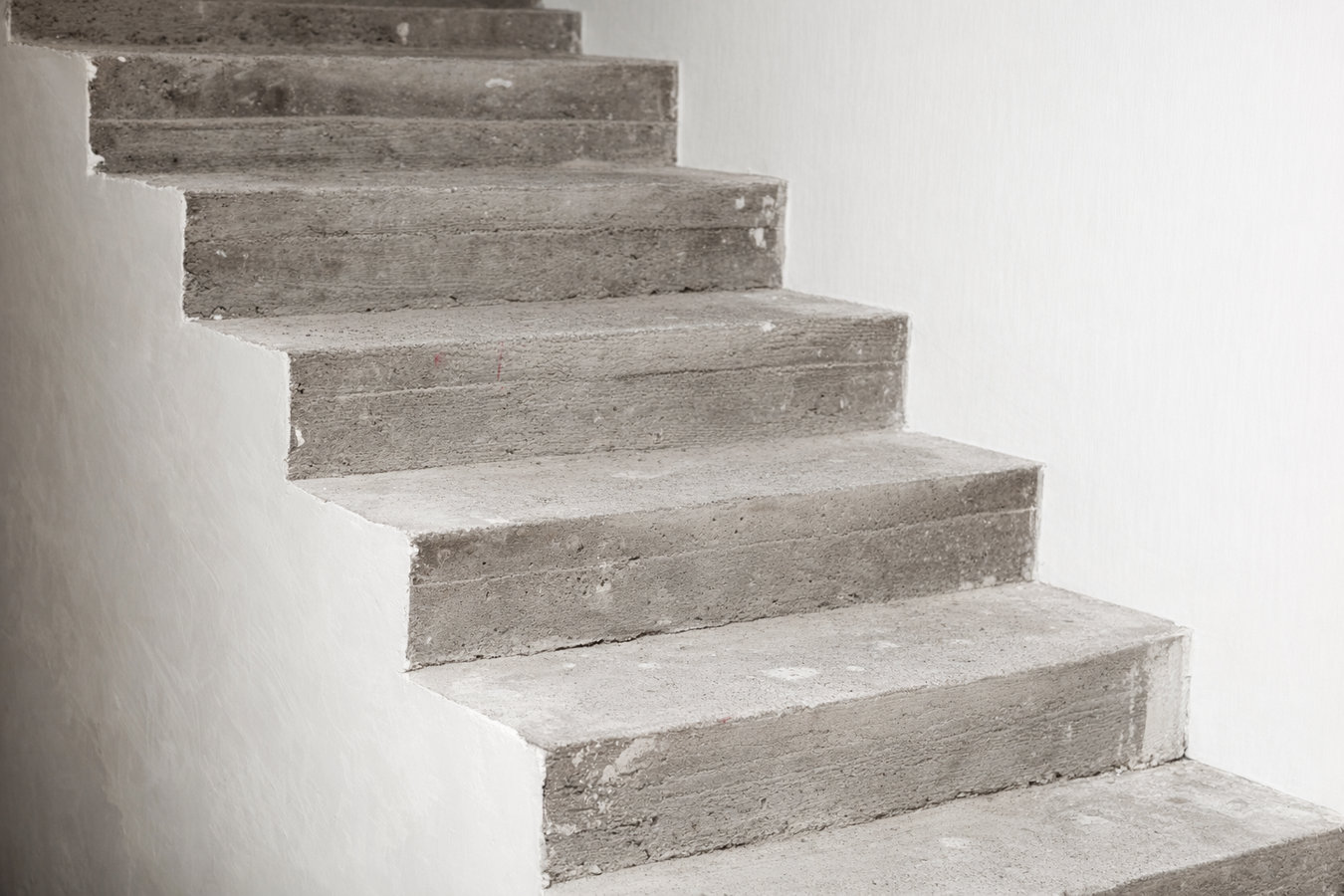
Concrete steps construction in Paso Robles connects two ground levels with a permanent, poured-in-place staircase - most residential front-entry or backyard step projects take one to two days of work, with full curing over the following month.
If your steps wobble, have cracks you can feel underfoot, or are pulling away from your house, they are not just cosmetic problems. Uneven or structurally compromised steps are a safety issue - for kids, for older family members, and for anyone carrying something through the door. Many homes in Paso Robles's established neighborhoods near downtown were built between the 1950s and 1980s, and original steps from that era were often poured without the reinforced base preparation that is standard today. Replacing them before a fall happens is almost always less expensive than dealing with the aftermath.
If your new steps will connect to a driveway or sidewalk, our concrete sidewalk building service handles that work and can be coordinated in the same project visit and timeline.
If you can see cracks wider than a hairline - especially ones that go all the way through a step or along the edge - the structural integrity of the step is compromised. In Paso Robles, the combination of hot summers and cool nights causes concrete to expand and contract repeatedly, and those cracks are often the result. Once a crack lets water in, it tends to grow faster.
If a step shifts, rocks, or feels lower on one side than the other, the ground underneath has likely moved. This is especially common in parts of Paso Robles where the soil has a high clay content - it swells and shrinks with the seasons, and over time that movement pushes steps out of alignment. An uneven step is a trip hazard, plain and simple.
When the top layer of concrete starts to peel away in flakes or chunks - called spalling - you might notice it as a rough, pitted texture or loose bits near the edges. This often happens on older steps that were never sealed, and it tends to get worse quickly once it starts. Spalling steps are uncomfortable underfoot and become a safety risk as the surface deteriorates further.
If you notice a growing gap where your steps meet the foundation or wall of your home, the steps are pulling away from the structure. This happens when the soil underneath settles unevenly - something common in Paso Robles neighborhoods where older homes were built on less-prepared ground. Left alone, this gap can let water into your foundation.
We build front-entry steps, backyard steps, and tiered step systems for residential and rural properties throughout the Paso Robles area. Every set of steps starts with proper base preparation - breaking out old concrete if needed, assessing the soil underneath, and compacting a gravel base before any forming or pouring happens. That base work is what keeps steps level through the clay soil movement and temperature swings that are part of life here. For homeowners who want more than a plain gray finish, we offer brushed, stamped, and exposed-aggregate surfaces that add visual interest while keeping the traction you need. Our slab foundation building team often works alongside step projects where a new landing or foundation pad is needed at the base of a new entryway.
We handle permit applications and inspection scheduling with the City of Paso Robles for all permitted step work. For most front-entry steps attached to a home, a permit is required - and we take that off your plate entirely. If your project will also include work on the driveway or approach area, our concrete sidewalk building service coordinates easily with the step project for a clean, consistent finished result.
Best for homeowners with cracked, shifting, or aging entry steps that are a daily safety concern.
Best for properties that need a new access point between ground levels - yard to patio, deck to yard, or similar.
Best for homeowners who want their new steps to feel like a natural extension of the home's exterior, not a patch job.
Best for all structural step work attached to a home - the full permit process handled so the work is on record and legally compliant.
Paso Robles is known for some of the biggest temperature swings in California - summer days can hit 95 degrees or higher while nights drop into the 50s. That daily expansion and contraction puts stress on concrete over time, which is why the mix design and curing process matter more here than in coastal cities with milder weather. It also means contractors need to schedule summer pours for early morning and keep the surface moist while it sets - concrete placed in peak afternoon heat can dry too fast on the surface and weaken from the top down. For homes in the older neighborhoods around downtown Paso Robles, the original steps were often poured without the reinforced base that handles today's understanding of local soil conditions. Those older installs are reaching the end of their service life. Homeowners we serve near San Luis Obispo face milder temperature swings but similar soil and permit considerations.
Much of the soil in and around Paso Robles contains clay that swells when wet and shrinks when dry. That seasonal movement is one of the most common reasons steps in this area crack, shift, or separate from a home's foundation. A contractor who accounts for this builds a gravel base underneath the steps that gives the soil room to move without transferring that stress directly to the concrete. This step is skipped in a surprising number of cheap jobs, and it is often what separates a step replacement that lasts 30 years from one that is cracking again in five. The same clay-related challenges affect properties we work on in Arroyo Grande and across the broader San Luis Obispo County area.
You reach out and we schedule a visit to measure the space and assess what is there. Most contractors in Paso Robles will not give a firm price over the phone for step work - the size, the old material to remove, and the site conditions all matter. You get a written estimate within one business day of that visit.
For most new steps attached to your home, we apply for the required building permit through the City of Paso Robles before any digging or demolition begins. This process typically adds one to two weeks of lead time. We handle all the paperwork - you do not need to contact the city.
If you have existing steps, the crew breaks them up and hauls the debris away. Then we prepare the ground underneath - leveling, adding a gravel base, and setting the wooden forms that give the new steps their shape. This base work is the most important part of a long-lasting result.
Concrete is poured and finished - in summer, we schedule pours for early morning to avoid peak heat. The city inspector visits once the concrete is cured, your contractor coordinates that visit, and you receive any documentation once the job passes. Steps are usable within 48 hours and reach full strength over the following month.
Free written estimate. Permits handled. Reply within one business day.
(805) 257-0239We schedule summer pours for early morning and use curing techniques suited to Paso Robles's extreme heat. This is not an optional add-on - it is part of how we work here, because concrete placed in peak afternoon heat can fail from the top down before it ever fully sets.
Every step project we build on clay-heavy Paso Robles soil includes a compacted gravel base that gives the ground room to shift without cracking the steps. This is the detail most bargain-price jobs skip, and it is the single biggest factor in how long a set of steps holds up.
Structural step work attached to a home in Paso Robles requires a city permit. We pull it before work starts and coordinate the inspection when the concrete is cured. That documented inspection is what makes the work legal and protects you when you sell the property.
The Portland Cement Association sets the research-backed standards for residential concrete construction across the country, including curing times, surface finishing, and hot-weather best practices. Following those guidelines is how we build steps that perform in Paso Robles's conditions, not just pass a visual inspection on day one.
Building steps the right way in Paso Robles means accounting for the soil, the heat, and the permit process from the first day. When all three are handled correctly, you get steps that last for decades - and you never have to think about them again.
When new steps need a landing pad or the project connects to a new structure, our slab foundation team handles that groundwork.
Learn MoreTie new steps into a consistent concrete approach from the street, walkway, or driveway with a matching sidewalk install.
Learn MoreSummer is the busiest season for concrete work - reach out now and lock in your project date before spots are gone.