Serving Paso Robles, CA and surrounding areas. (805) 257-0239
Clay soils and seismic conditions in Paso Robles demand footings that go deep enough and are reinforced correctly. We drill, form, and pour footings built for local conditions - for decks, fences, pergolas, and structural additions.
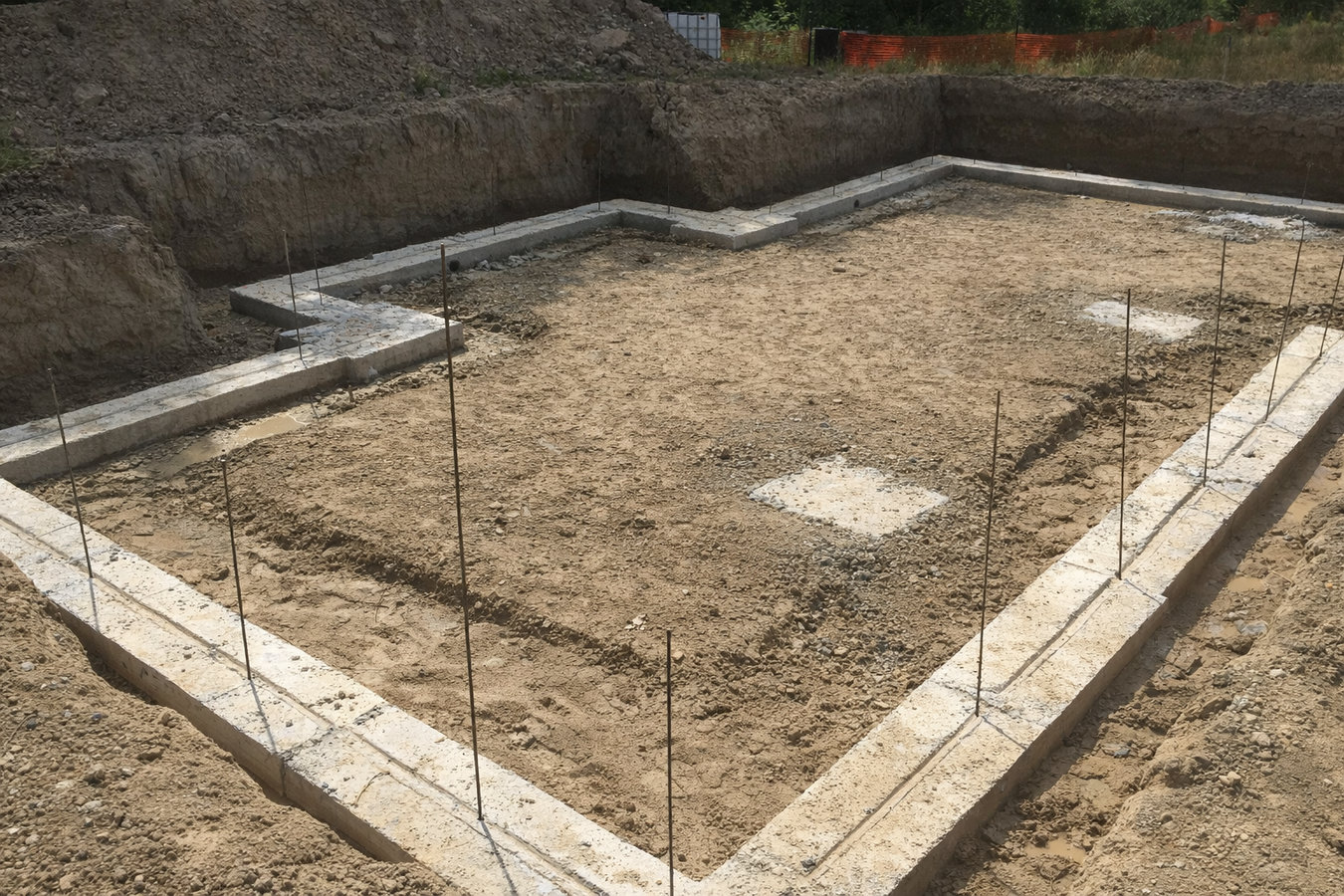
Concrete footings in Paso Robles anchor structures to stable soil below the surface, transferring load away from the shifting clay that covers most of the area - most residential footing projects, including decks, pergolas, and fence lines, are completed in one to two days once permits are in hand.
A footing that is too shallow or undersized does not fail right away - it fails slowly as the soil beneath it moves with the seasons. Paso Robles sits on expansive clay soils that swell when they get wet in winter and shrink as they dry in summer. That repeated movement is what separates a footing that holds for 30 years from one that starts to tilt within five. We drill to a depth that reaches stable soil, add the right reinforcement for local seismic conditions, and pour without delay. If your project also involves a new slab above the footings, our foundation installation service handles that work as a coordinated scope.
We work on residential additions, detached structures, pergolas, covered patios, fencing, and commercial properties throughout Paso Robles and the surrounding Central Coast. Every project gets a site assessment and a written estimate before any work begins.
A fence post, deck column, or pergola upright that is leaning when it was once plumb is a sign the footing beneath it has moved. In Paso Robles, clay soil movement is the most common cause - the footing was either too shallow to reach stable soil or the soil around it expanded and pushed it. A tilting post does not fix itself; the lean typically gets worse each rainy season.
Cracks in a deck ledger, wall framing, or masonry that follows a post or column often trace back to footing movement rather than the structure itself. When a footing moves even a small amount, the framing above it shifts, and rigid connections are the first to crack. If you see cracks at the base of a column or where a beam meets a post, start the assessment at the footing - not the crack.
If you are planning a deck, pergola, attached patio cover, or any structure that will be anchored to the ground, you need properly designed footings before anything else gets built. In Paso Robles, structures attached to a residence require permits - and the permit review covers footing depth and reinforcement. Starting framing before footings are inspected creates problems at the final inspection.
A footing that has pushed up through the surface, cracked horizontally, or spalled badly has been compromised. Expansive clay, frost action, or poor original placement can all cause a footing to fail over time. A failed footing cannot be repaired - the post needs to be disconnected, the old footing removed, and a properly sized replacement drilled and poured.
We install drilled pier footings, spread footings, and continuous wall footings for residential and commercial projects throughout the Paso Robles area. For residential work, the most common applications are deck footings, pergola and patio cover footings, fence post footings, and footings for detached structures like garages and accessory dwelling units. For commercial properties, we install footings for canopy structures, bollards, signage, and equipment pads. When a project involves a full foundation above the footings - a slab or raised floor system - our foundation raising service coordinates the complete foundation scope from footings to finish grade.
For projects that need a full new foundation or structural slab, we also work alongside our foundation installation crews so footings and the slab system above them are built as a single continuous scope. All permitted projects include footing inspections coordinated with the City of Paso Robles, so you are not chasing inspectors on your own.
Best for decks, pergolas, patio covers, and freestanding structures - the most common residential footing type in the Paso Robles area.
Best for columns, posts, and point loads where a wide base is needed to distribute weight across the soil.
Best for room additions, accessory dwelling units, and masonry structures that need an unbroken footing beneath a load-bearing wall.
Best for bollards, signage, canopy structures, and equipment pads on commercial and industrial properties.
The soil under most properties in Paso Robles is clay-heavy, and that matters more for footing design than almost any other factor. Clay expands when it absorbs water and contracts as it dries. A footing that only penetrates the top layer of clay will ride that movement up and down with every season - which is why decks and pergolas that seemed perfectly built start to rack and tilt within a few years. The fix is drilling past the active clay zone into stable soil below, and that depth varies from site to site. This is not something you can estimate from a code table alone - it requires knowing the soils in this area. California's seismic conditions add another layer: footings here need to be reinforced to handle lateral forces from ground movement, not just the vertical load of whatever sits above them. The Seismological Society of America documents the Central Coast as an area of meaningful seismic activity - and that history shows up in the permit requirements here. Property owners we work with in San Luis Obispo face the same clay soil and seismic conditions and require the same careful footing approach.
Paso Robles winters also bring enough frost to affect shallow footings - nighttime temperatures regularly drop below freezing from December through February, and frost heave can push a shallow footing upward over several seasons. Footings placed below the frost line are not affected by this cycle. Homeowners we serve in Paso Robles and the surrounding inland communities experience colder winters than the coast, and footing depth requirements reflect that difference.
We schedule a site walk, assess soil conditions and the structure being supported, and provide a written estimate within one business day. The site conditions - soil type, slope, and load requirements - determine footing depth and reinforcement, so we need to see the site before quoting.
For structural footings, we submit the permit application to the City of Paso Robles and coordinate the required footing inspection. Most residential footing permits are straightforward, and we keep you updated on timeline so your project schedule is not held up unnecessarily.
We drill to the required depth, check that the hole is clean and free of water, install the required rebar cage or post anchor hardware, and set any forms needed. In clay soil, we move quickly from drilling to pouring to prevent the hole walls from sloughing.
We pour the footing, schedule the city inspection, and allow the concrete to cure before any framing or post-setting begins - typically seven days for light residential framing. We give you a clear timeline so you can schedule your framing crew or the next phase of your project.
We walk the site, assess soil conditions, handle the permit, and give you a written estimate within one business day. No commitment required.
(805) 257-0239We don't apply a single footing depth to every project. Clay soils in the Paso Robles area vary from site to site, and we assess each location to determine how deep the footing needs to go to reach stable bearing capacity. Footings drilled to the right depth for the actual site are what hold up through decades of seasonal soil movement.
Structural footings require inspection before they are poured - the inspector has to see the drilled hole, depth, and rebar before concrete goes in. We schedule all required inspections and coordinate timing so your project doesn't sit waiting on a city visit. You don't have to learn the inspection process or make calls to city building services.
Footings here are not just vertical load calculations. The Central Coast is in a seismically active region, and footings need to be reinforced to handle lateral forces as well as gravity loads. We spec rebar sizes and configurations that meet local seismic requirements - not minimum national code that may not reflect conditions here.
Paso Robles winters get cold enough to affect shallow footings, and the clay soil shrink-swell cycle is one of the main causes of footing failure in this area. Every footing we install is placed below the frost line and drilled to reach soil that is not actively moving. The International Code Council's guidelines on expansive soil footing design inform our approach - details at iccsafe.org.
Footings are invisible once the project is finished, but they are the part that determines whether everything above them holds its position for 30 years or starts moving within five. We take them seriously because the homeowners and property owners we work with in Paso Robles are counting on what we put in the ground.
Lift and stabilize an existing foundation that has settled or shifted - often the next step after failed footings are diagnosed.
Learn MoreNew foundation slabs and systems for additions, ADUs, and structures that need more than individual footings beneath them.
Learn MoreWe assess your soil conditions, confirm the required depth for your project, and give you a written estimate within one business day - call now or submit your project details online.