Serving Paso Robles, CA and surrounding areas. (805) 257-0239
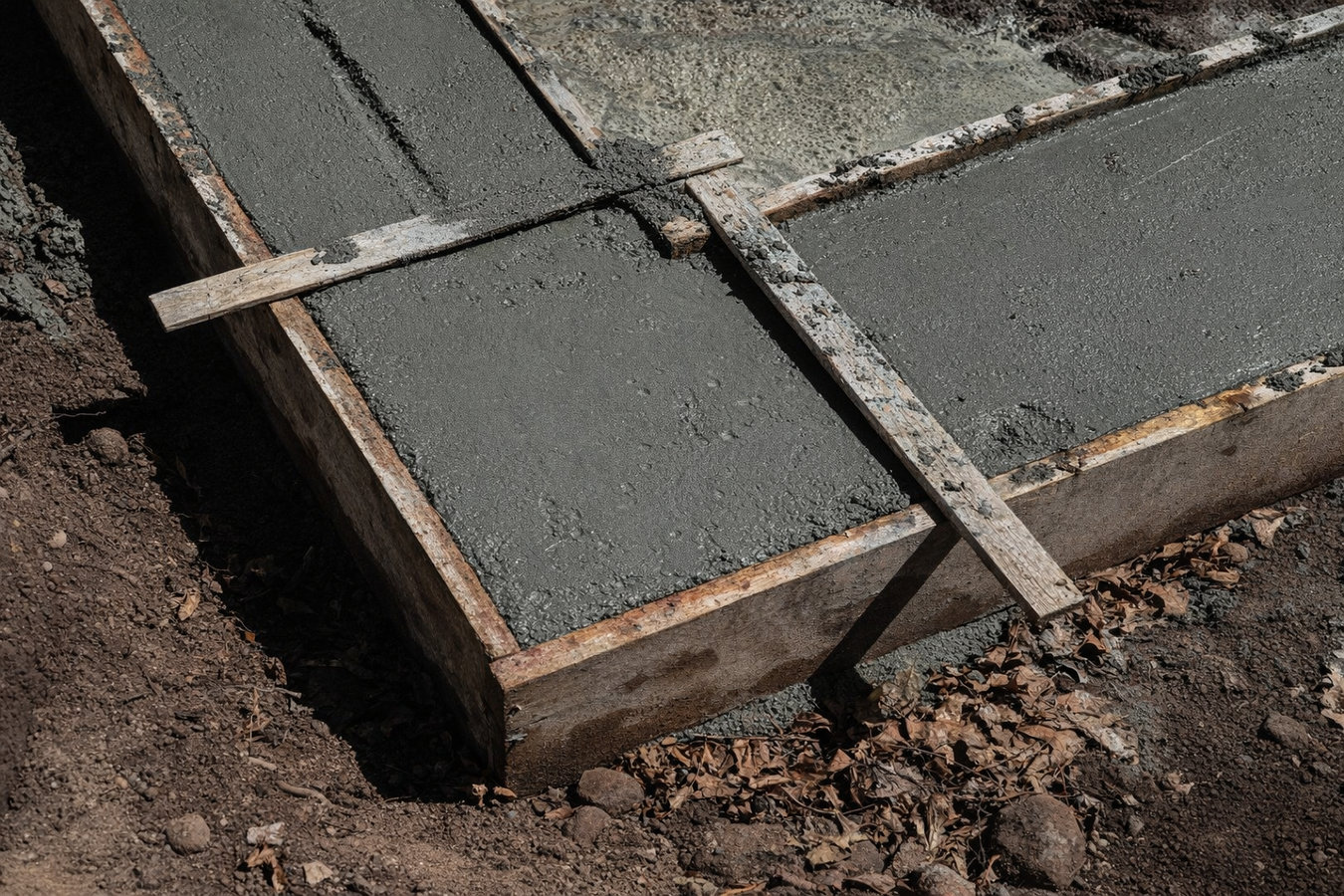
Paso Robles Concrete Contractors serves Santa Maria homeowners with slab foundations, concrete driveways, patios, and flatwork. We work on valley lots with flat terrain, clay-influenced soil, and drainage challenges that inland concrete has to account for. We reply within 1 business day and provide free written estimates before any work starts.
Santa Maria sits on a flat valley floor with soil that includes clay in many areas, and that combination creates real challenges for slab foundations. Clay expands when wet and contracts when dry, which puts the slab through a push-pull cycle every year. Our slab foundation work accounts for local soil conditions with proper base preparation, reinforcement, and drainage planning so the slab holds up through the wet-dry cycle year after year.
Many homes in Santa Maria were built between the 1950s and 1990s, and the original driveways poured during those decades are showing their age - cracked, settled in spots, and scaling at the surface from years of strong UV and seasonal rain. Flat lots in the valley mean water has nowhere to go if a driveway slopes wrong or has developed low spots, which adds to the deterioration.
Santa Maria's warm, dry summers make a well-built back patio one of the most useful outdoor improvements on a valley home. The large, open lots common in the city mean there is often real room to work with. A properly poured and sealed patio on a flat lot handles both the dry heat of summer and the drainage demands of winter rain without cracking or developing low spots.
Homes built in Santa Maria during the postwar growth decades sometimes sit on foundations that were spec'd for less demanding conditions than what the valley's soil actually delivers. When a foundation shows signs of shifting, cracking, or water intrusion after wet winters, it is usually a sign that drainage and soil movement have been working against the original design for years.
Sidewalks in Santa Maria's older neighborhoods near downtown and around Allan Hancock College have often lifted, cracked, or settled unevenly as soil beneath them has shifted over decades. Tripping hazards at sidewalk joints are one of the most common concrete issues we address on residential properties across the city, and the flat terrain here makes repairs straightforward once the base is properly prepared.
While Santa Maria's valley floor is flat, properties on the northern and eastern edges of the city have more grade change where retaining walls become necessary for usable yard space. Clay soils at the base of slopes hold water, which puts hydrostatic pressure on walls over time - the right drainage behind a wall is as important as the concrete itself.
Santa Maria sits on a flat valley floor surrounded by some of the most productive farmland in California, and that geology shapes what happens to concrete here. Soil in the valley includes clay in many areas - the same material that makes the region great for growing produces a push-pull cycle on concrete slabs. Clay absorbs water and expands in winter, then dries out and contracts during the long dry season. Every year that cycle puts stress on concrete from below, gradually opening hairline cracks in driveways, patios, and sidewalks that were poured without a base thick enough to resist that movement. Most of the housing stock in Santa Maria was built between the 1950s and 1990s, and flatwork from those decades is now well into its service life.
The city's flat terrain creates a second challenge: drainage. Water from winter rains has nowhere to go on a flat lot unless it is actively directed away from the house, and low-lying areas in the yard and alongside foundations can collect standing water for days after a storm. That standing water is the main driver of foundation problems in this area - water working its way under slabs, sitting against foundation walls, and softening the soil beneath footings over time. A concrete contractor working in Santa Maria has to plan for drainage at every project, not just the concrete itself.
Our crew works throughout Santa Maria regularly, and we understand the local conditions that affect concrete work here. Concrete permits in the city are handled through the City of Santa Maria Community Development Department. Structural work including foundations, retaining walls, and anything that changes drainage patterns requires a permit, and we handle that process for every project that needs one.
Santa Maria is the largest city in Santa Barbara County, and we work across all parts of it - from the older established neighborhoods near downtown and around Allan Hancock College to the newer subdivisions on the north and east edges of the city built in the 1990s and 2000s. The older in-town neighborhoods have smaller lots and more varied home conditions, while the newer areas have larger homes on more uniform lots. We adjust our approach based on what each property needs.
We serve the broader region from Paso Robles south, and Santa Maria is one of our most active service areas. Homeowners looking for concrete work nearby often also reach out from Lompoc to the west, where similar valley conditions and postwar housing stock create comparable concrete repair needs. If you are in Santa Maria or anywhere nearby, call us or submit an estimate request and we will get back to you within 1 business day.
Reach us by phone or through the contact form and describe what you need. We reply to every Santa Maria inquiry within 1 business day to confirm we received it and schedule a time that works for you.
We visit the property, look at the soil conditions, drainage, and the scope of the work, and put together a written estimate that breaks out labor, materials, and any permit costs separately. There is no pressure and no obligation - just a clear picture of what the job involves and what it will cost.
We handle all site prep, including base compaction and drainage planning, before the pour. Most residential flatwork in Santa Maria is completed within one to three days depending on scope. You do not need to be present for the entire job, but we coordinate access and timeline with you in advance.
When the work is done we walk through the finished job with you, explain the curing timeline, and answer any questions. We also advise on sealing and maintenance steps that protect the investment in Santa Maria's wet-dry climate.
We serve Santa Maria and the surrounding Santa Maria Valley. Free estimates, no pressure, and replies within 1 business day.
(805) 257-0239Santa Maria is the largest city in Santa Barbara County, with a population of around 108,000 people. It sits on the flat floor of the Santa Maria Valley, surrounded by some of California's most productive agricultural land known for strawberries, broccoli, and wine grapes. The city has a strong working-class identity and a deep connection to its ranching and agricultural history, most visibly in Santa Maria-style barbecue - a cooking tradition born here that uses red oak wood to slow-grill tri-tip and is recognized across California as one of the state's distinctive regional food traditions. The Santa Maria Fairpark anchors the city's community life, hosting the Santa Barbara County Fair and drawing residents from across the valley throughout the year.
Housing in Santa Maria reflects the city's growth from the 1950s through the 1990s. The older neighborhoods near downtown and around Allan Hancock College have ranch-style homes and smaller lots with a mix of owner-occupied and rental properties. Newer subdivisions on the north and east sides of the city built in the 1990s and 2000s have larger homes on more uniform lots. The broader region includes communities to the west like Lompoc and to the north toward Pismo Beach and the Five Cities area, all of which share the Central Coast climate and housing conditions we work in regularly.
Call today or submit a free estimate request. We reply within 1 business day and serve all of Santa Maria and the surrounding valley.