Serving Paso Robles, CA and surrounding areas. (805) 257-0239
Variable soils, seismic requirements, and an active permit process make foundation work in Paso Robles more involved than most homeowners expect. We handle the assessment, the permits, and the pour - so your home's base is built to last.
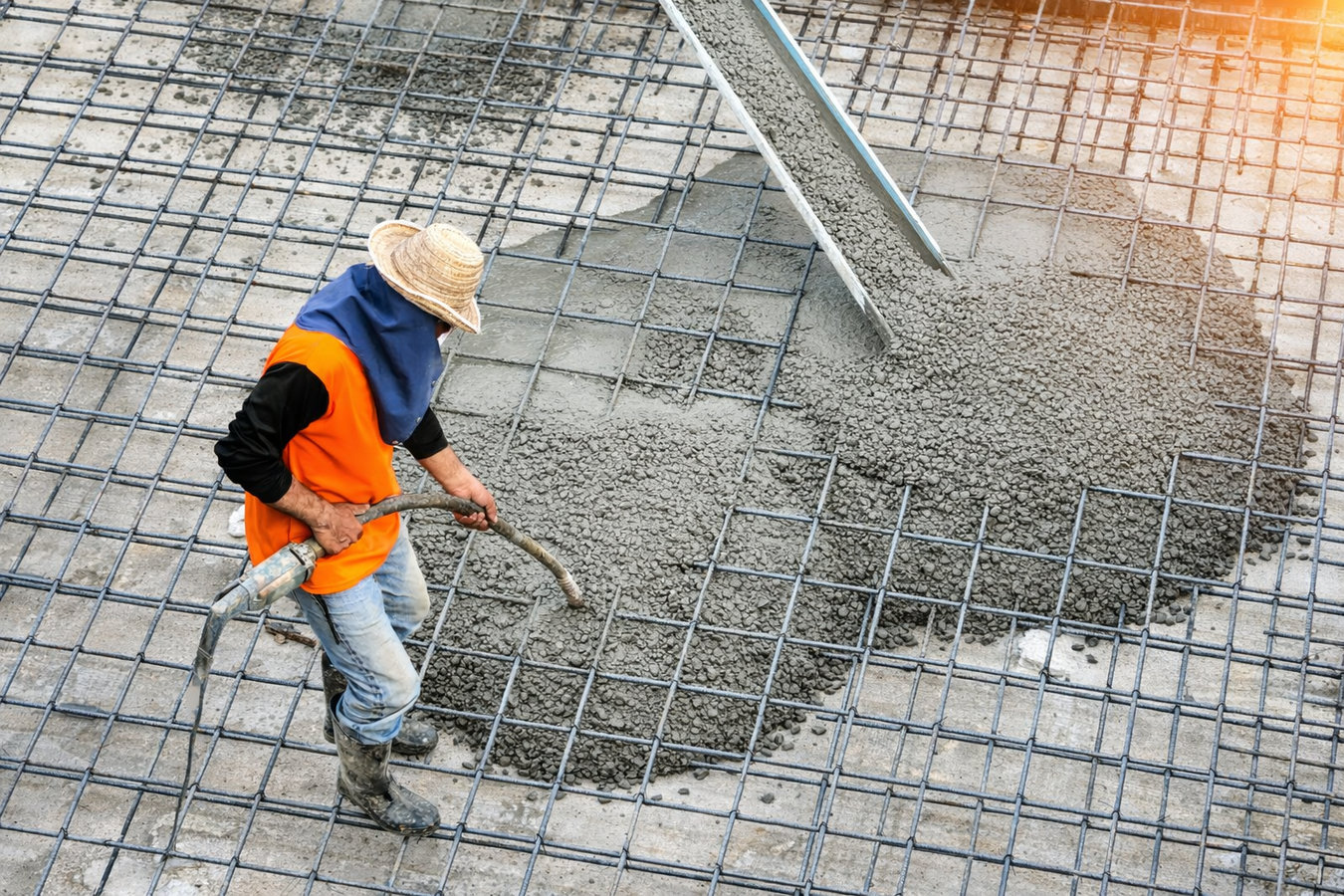
Foundation installation in Paso Robles covers the full process of building or replacing the concrete base your home sits on - from excavation and soil preparation through steel reinforcement, permit inspections, and the concrete pour itself - with most residential projects running two to four weeks from first day of work to a cured foundation ready to build on.
Whether you are installing a foundation for a new home or replacing a failing one under an older Paso Robles property, the process is more involved than a standard slab pour. Soil conditions vary significantly across the city - from sandy loam on some lots to clay-heavy ground that moves with the seasons - and the right foundation type depends on what's underneath your specific property. If your project calls for a straightforward new slab rather than a full replacement or complex site, our slab foundation building service covers that scope in detail.
California law requires a building permit and multiple inspections for any new foundation installation - and Paso Robles's seismic history means those inspections verify earthquake-resistance requirements that are not optional. We pull every permit required, schedule every inspection, and walk you through what the inspector checked and why.
If doors or windows in your home have started sticking, jamming, or leaving visible gaps at the corners, the frame of your house may be shifting. In Paso Robles, clay soils expand and contract with the wet-dry cycle, and this kind of seasonal movement can gradually worsen over time. Catching it early prevents more expensive structural repairs later.
Hairline cracks in drywall are normal, but diagonal cracks that radiate from the corners of door frames or windows suggest the structure is racking - twisting slightly - which often points to uneven settling in the foundation below. If you're seeing these cracks in more than one room, it's worth having a contractor take a look before you repaint or patch over them.
If your home has a raised foundation and you can see the concrete from outside or from the crawl space, look for cracks wider than a pencil, sections that are flaking or crumbling, or areas that have shifted out of alignment. Paso Robles homes built before the 1970s may have foundations that were not designed to current earthquake standards - making this check especially important.
Walk slowly through your home and pay attention to whether floors feel level. In a raised-foundation home, bouncy or springy floors can indicate that the posts and beams sitting on the foundation have shifted or deteriorated - a problem that starts at the foundation level and won't improve on its own. A straightforward professional assessment can tell you whether you're looking at a repair or a replacement.
We install foundations for new homes, additions, commercial buildings, and replacement projects across Paso Robles and the surrounding region. New-build foundation work includes full soil assessment, excavation, a compacted gravel sub-base, moisture barrier placement, steel reinforcement, and a poured concrete structure that meets California's current seismic requirements. We coordinate every step with the City of Paso Robles Building Division - including the required steel inspection before the pour - so the project is fully documented and above board. If your project calls for a parking lot or large commercial slab, our concrete parking lot building service handles the larger-scale foundation and flatwork those projects require.
For older Paso Robles homes with failing raised foundations - particularly properties near downtown built before the 1970s - foundation replacement is a different and more complex process than a new pour. The house must be temporarily supported while the old foundation is removed, the soil prepared, and the new foundation installed. That work requires specific experience and equipment that is separate from standard concrete work. We also provide slab foundation building for straightforward new-build projects where a single poured slab is all that's needed.
Best for new homes, additions, and ADUs where a foundation is being installed for the first time on a prepared lot.
Best for Paso Robles homes built before current seismic standards where the existing foundation is failing, cracked, or non-compliant.
Best for sloped lots, hillside properties, or homes where a crawl space is required for mechanical access or drainage.
Best for homeowners who want every required city or county permit, inspection, and sign-off handled without having to navigate the process themselves.
Paso Robles has a mix of soil types that changes from neighborhood to neighborhood - sandy loam in some areas, clay-heavy ground in others, and rocky terrain on hillside lots. That variability means a contractor who doesn't assess your specific lot before designing the foundation is taking a shortcut that you'll pay for later. Clay soils are the most common challenge: they swell with winter rain and shrink in summer heat, putting ongoing stress on any concrete structure. A foundation designed without accounting for that movement will settle and crack over time, regardless of how good the pour looked on day one. Homeowners we serve in Lompoc encounter similar soil variability and benefit from the same site-specific approach before any concrete is placed.
The 2003 San Simeon earthquake caused widespread structural damage in Paso Robles and is a reminder that this part of California carries real seismic risk. California's building code requires foundations in this region to include specific steel reinforcement and anchor hardware that keeps the home connected to its base during ground movement - and a city or county inspector verifies that work before concrete is poured. Pulling the permit and scheduling that inspection isn't optional, and it's a meaningful layer of protection for your home. Properties in Santa Maria fall under the same seismic requirements, and we bring the same permit-first approach to every project we run across the region.
We visit your property to look at the lot, assess the soil, and measure the scope of work. You get the estimate in writing, including what's covered, what's not, and whether the permit fee is included in the price. We reply within one business day of your initial contact.
We pull the building permit from the City of Paso Robles Building Division or San Luis Obispo County, depending on your address. This step can take a few days to a couple of weeks. No contractor should start digging before the permit is in hand - that protects you legally and financially.
Once the permit is approved, the crew excavates, grades, and compacts the site. Steel reinforcement is placed according to the approved plan, and a city or county inspector must approve the steel before any concrete is ordered.
After the inspection passes, concrete is poured - usually in a single continuous pour for smaller foundations. The slab needs at least a week before significant load, and about a month to reach full strength. A final inspection closes out the permit, and you receive documentation that the work passed.
We respond within one business day, handle every permit and inspection, and give you a written estimate after visiting your property. No obligation, no pressure.
(805) 257-0239We assess your specific lot before recommending a foundation type - not after. Soil in Paso Robles varies from sandy loam to clay-heavy ground, and the right design depends on what's actually under your property. Contractors who skip this step are guessing, and you pay for that guess when settling or cracking appears years later.
Every foundation we install in Paso Robles meets California's current seismic requirements, verified by a city or county inspector before the concrete is poured. The 2003 earthquake is a reminder of what's at stake. We don't treat the permit inspection as a formality - it's the step that puts a third party on record confirming the work was done correctly.
We pull every permit required for your project - City of Paso Robles for properties inside city limits, San Luis Obispo County for unincorporated areas. You receive full documentation of the inspections and approvals. That paperwork is part of your home's record and matters when you sell. The California Contractors State License Board at cslb.ca.gov is the place to verify any contractor's current license before you hire.
Many homes near downtown Paso Robles were built in the 1940s through 1960s on raised foundations that are now aging. Replacing those foundations requires temporarily lifting and supporting the house while the old base is removed - work that's different from a new pour and requires specific experience. We have done that work in this city and understand what it involves.
A foundation installation done right is invisible - you never think about it again because nothing goes wrong. Getting there requires the right soil assessment, the right design, and a permit process that puts an inspector on site before the concrete hides the work forever. That is how every project we do in Paso Robles is run.
Large-scale concrete flatwork for commercial and multi-unit properties - including the sub-base and drainage design that parking areas require.
Learn MoreStandard slab-on-grade construction for new homes, ADUs, and garages - designed for Paso Robles soil with full permit and inspection management.
Learn MoreSpring is the best window for foundation work in Paso Robles - permits take time, and contractors fill their calendars fast once good weather arrives. Reach out today and we'll get your estimate scheduled.